The fund
/05 · Infrastructure

Drinking-Water Reservoirs

Potable water is the one utility with no substitute and, at scale, no import. The frontier has moved from the dam to the store: covered basins above ground, banked aquifers below, membranes that make seawater drinkable.

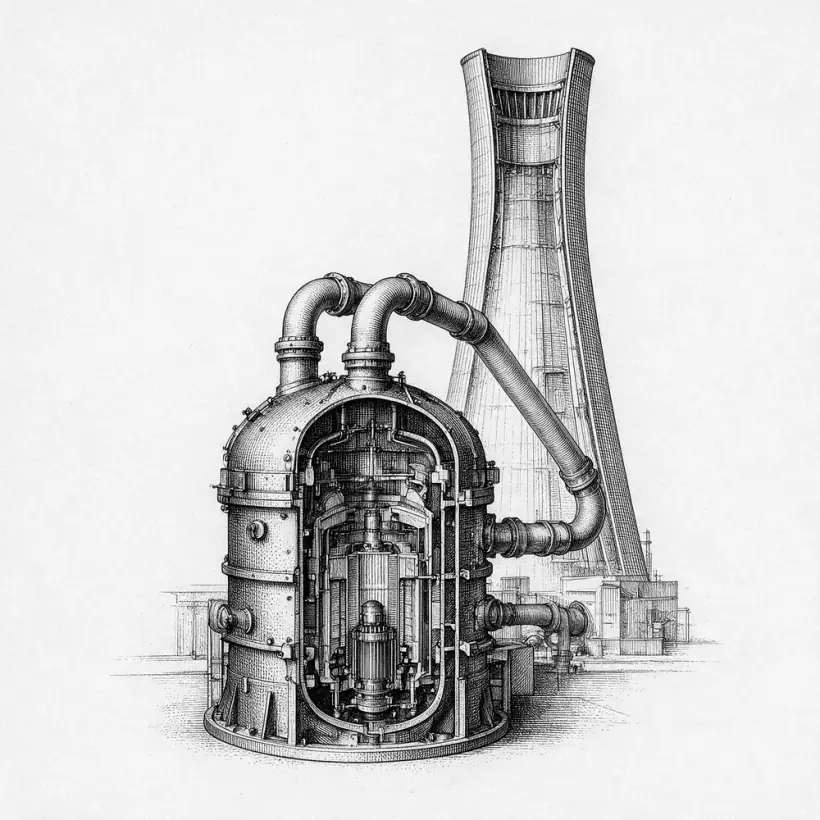
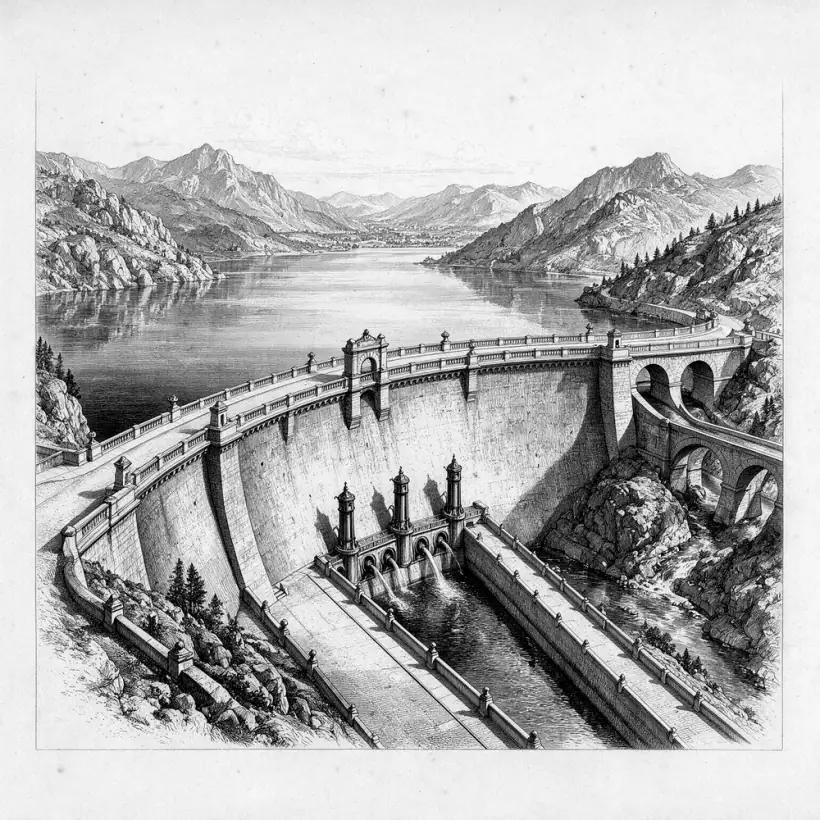
Fig. — Drinking-Water Reservoirs Pignus
Drinking-Water Reservoirs
Managed recharge · covered storage · membrane trains
/01

The frontier

What is actually happening at the edge.

/01

Storage moves underground

Surface reservoirs lose water to evaporation and land to competing use. Aquifer storage and recovery, soil-aquifer treatment and engineered infiltration basins are now standard instruments in arid and Mediterranean systems, and increasingly in temperate ones with seasonal deficits. The unsolved problems are physical and geochemical: clogging of the infiltration interface, mobilisation of arsenic and manganese where oxygenated water meets reduced sediment, and proving recovery efficiency to a regulator who must certify the bank before the drought rather than during it.

/02

The reservoir, covered

Open finished-water storage is being retired. Several regulators now require potable reservoirs to be covered, buried or replaced, and older basins are retrofitted with floating covers or with reinforced-polyethylene and HDPE geomembrane liners. Enclosure removes the algal, avian and Cryptosporidium load but changes the chemistry inside: chloraminated water nitrifies in warm tanks with long residence times, and disinfection by-product formation has to be managed against the residual that suppresses it. PFAS has opened a second capital cycle — granular activated carbon and ion-exchange trains bolted onto assets designed decades before those compounds were regulated.

/03

Membranes near their floor

Seawater reverse osmosis has converged. Isobaric pressure exchangers recover most of the energy in the reject stream, and modern trains run within a modest factor of the thermodynamic minimum for separation, so the remaining gains lie in pretreatment, membrane permeability and plant availability rather than in the pump. Boron removal, which decides whether product water is fit for irrigation as well as households, still forces a second pass or a pH-elevated polish, while closed-circuit and batch RO, forward osmosis and membrane distillation are pushed at the harder duty of high salinity and high recovery. What leaves the plant matters as much as what it produces: diffuser design and outfall siting govern consent, and brine concentrators, crystallisers and mineral recovery are the only route to inland desalination, where there is no sea to return to.

/04

The network made legible

More treated water is lost between the reservoir and the tap than most systems admit, and the instrumentation to find it now exists at every scale: district metered areas with night-flow analysis, acoustic correlators and permanent noise loggers, fibre-optic distributed acoustic sensing along trunk mains, transient pressure analysis that reads the pipe's own response as a signal, and satellite radar passes that narrow a search area to a street. Hydraulic digital twins, calibrated continuously against telemetry, move the work from finding leaks to scheduling renewal — which main, which year, at what pressure. In most networks the cheapest new source is the water already treated and never billed, and it is the only one that requires no permit.

/02

Our position

How the families stand in this field.

Interests sit at the asset layer rather than the technology layer: the store itself, the lined basin, the recharge field, the network, the concession and the abstraction right. These are assets with design lives measured in generations and with regulated, indexed revenue — a poor match for capital that must exit inside five years, a natural one for capital that has held railways, energy and fuel across six. The jurisdictions run from the Baltic to the Maghreb, the Mediterranean islands, the American interior and the Nile; drought and flood do not arrive together across basins that far apart.

Exposure is spread along the chain — catchment and intake, storage, treatment train, brine handling, distribution, metering — because the binding constraint moves. One decade of scarcity is solved at the membrane; the next at the store, or at the leak, or in the permit. A holder present at several points in the chain need not be right about which technology prevails, only about the direction of demand, which in this field has not reversed.

The scarce instrument is the right, not the steel. Abstraction licences, recharge permits, riparian and transboundary allocations, outfall consents: granted rarely, priced politically, seldom traded once held. In a reordering of states and currencies, an allocation written into a treaty or a long concession tends to outlive the institution that issued it — an argument for holding such things through a family, whose horizon matches the asset's, rather than through a vehicle whose horizon does not.
/03

Other briefs

Participation in the fund is by introduction, from USD 100 million, for a minimum of three years.

Request an introduction