The fund
/02 · Energy

Nuclear Energy — SMR

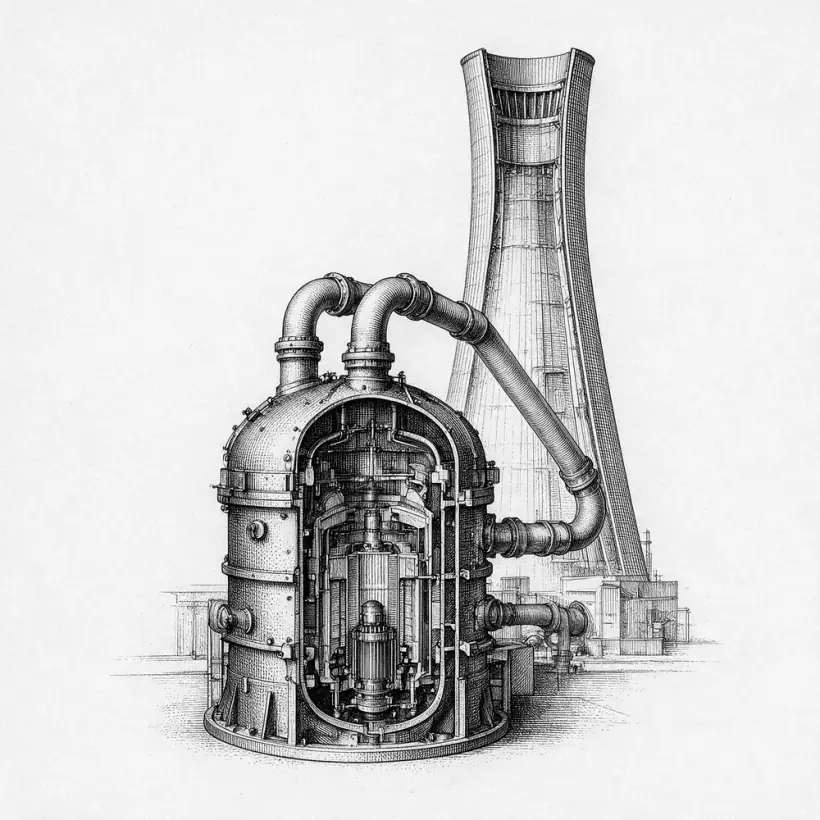
Small modular reactors return firm, dispatchable power to the sovereign balance sheet. The constraint is no longer physics — it is fuel, licensing and the discipline to build the same machine twice.

Fig. — Nuclear Energy — SMR Pignus
Nuclear Energy — SMR
Integral PWR · factory-built modules · HALEU
/01

The frontier

What is actually happening at the edge.

/01

The integral pressurised water reactor

The near-term commercial line is the integral PWR: pressuriser, steam generators and coolant loop enclosed within a single vessel, sized between roughly fifty and three hundred megawatts electric. Removing external primary piping removes the large-break loss-of-coolant accident as a design basis, which permits passive decay-heat removal and a materially smaller emergency planning zone. It is the design family furthest through Western licensing, and therefore the one that will settle whether the sector's economics are believed. It is also the least novel — its advantage is regulatory, not thermodynamic.
/02

High temperature and liquid fuel

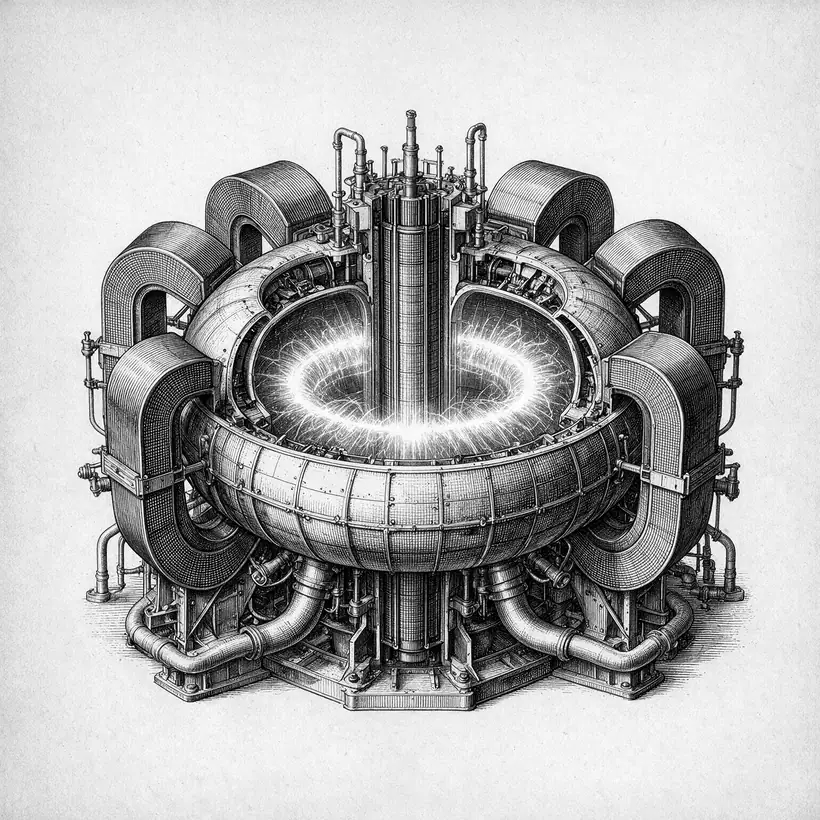
High-temperature gas-cooled designs using TRISO particle fuel reach outlet temperatures of seven hundred and fifty degrees Celsius and above, opening process heat, hydrogen and industrial steam — markets electricity prices do not reach. Molten-salt reactors, whether salt-fuelled or salt-cooled, run near atmospheric pressure and remove the containment penalty; lead and lead-bismuth fast systems offer high boiling margins and a path to burning transuranics. Each carries an unfinished materials problem: graphite lifetime, tritium permeation, corrosion at temperature under neutron flux. These are metallurgical questions, and metallurgy moves on decade timescales.

/03

Fuel is the binding constraint

Most advanced designs require high-assay low-enriched uranium — enrichment between five and twenty per cent — for which Western commercial supply remains thin. Conversion, enrichment cascades, deconversion and fabrication each form a separate bottleneck, and the Russian position in enrichment services made the dependency explicit. Fuel qualification for a new fabrication line runs years behind reactor licensing. Whoever holds the front end of that cycle holds the sector's schedule, and the capital intensity of enrichment is such that the field of possible holders is small.

/04

Serialisation and the demand turn

The modular thesis is a manufacturing thesis: value accrues to the tenth and fiftieth unit through factory serialisation, learning-curve labour and shipyard-style quality regimes. It fails if the design is amended between units. The demand side has meanwhile re-formed around load rather than grid — hyperscale computing, electrolysis, refining, desalination and defence estates now contract for firm behind-the-meter power on terms the regulated tariff does not set. Technology-inclusive licensing, factory inspection regimes and cross-border design acceptance are the quiet determinants of who builds where.

/02

Our position

How the families stand in this field.

Pignus treats nuclear generation as sovereign infrastructure, not as an energy trade. The families have held railways, fuel and power assets across six generations, and the underwriting habits are unchanged: permanence of the asset, quality of the counterparty, tolerance for horizons measured in decades. Exposure is arranged so that no single licensing regime or reactor architecture is decisive.

Across a field of this kind, capital arrives at several depths at once: the fuel cycle ahead of the reactor, the long-lead forgings and heavy manufacturing capacity that gate every schedule, the sites themselves and the industrial offtake beside them. Positions of that shape are taken quietly and held through political cycles, which is the condition on which they are available at all.

The reordering now under way makes firm domestic power a question of sovereignty rather than of tariff. States that can generate reliably will keep their industry; those that cannot will rent it. Pignus positions on the assumption that this asymmetry widens, and that whoever holds fuel, fabrication and licensed sites is consulted rather than left bidding.

/03

Other briefs

Participation in the fund is by introduction, from USD 100 million, for a minimum of three years.

Request an introduction